
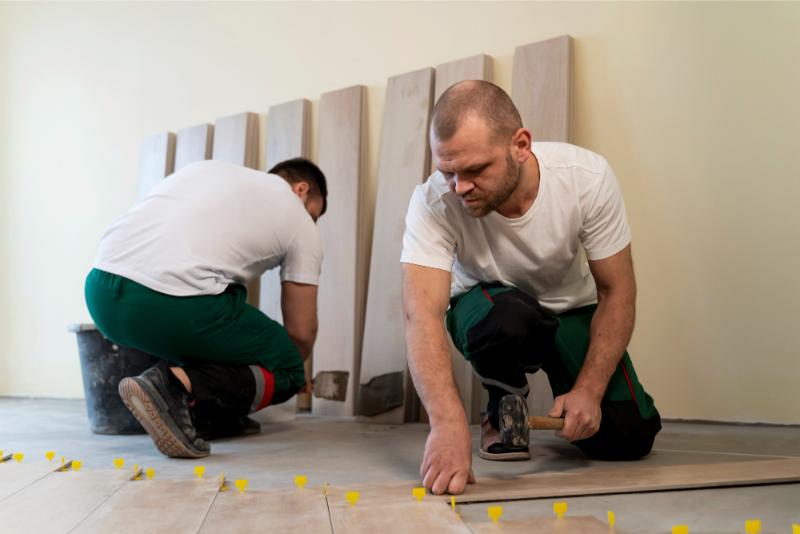
School Wood Floor Restoration
School Wood Floor Restoration – High-Quality Sanding and Finishing
Get a Free Quote From Us Today!
We aim to get back to you in 24 hours.
At School Wood Floor Restoration, we provide professional wood floor restoration and refinishing services for primary schools, secondary schools, academies, colleges, independent schools, educational facilities, and other learning environments throughout the UK. Our services are designed to restore worn, scratched, stained, damaged, and ageing wooden floors while retaining the existing timber wherever practical.
Wooden flooring in schools can experience significant wear through daily pupil foot traffic, assemblies, physical education, examinations, performances, furniture movement, and community events. Scratches, damaged boards, worn coatings, faded finishes, and surface deterioration can affect both the appearance and performance of an otherwise serviceable timber floor. Professional restoration addresses appropriate damage before the wood is prepared and refinished with a suitable protective coating.
From classrooms and corridors to assembly halls and multipurpose spaces, School Wood Floor Restoration provides a structured service covering assessment, preparation, appropriate repairs, sanding, edge work, refinishing, protective coating application, and final inspection.
Why Choose School Wood Floor Restoration?
Choosing School Wood Floor Restoration means working with professional flooring specialists who understand that completing restoration work within an educational environment requires careful consideration of health and safety, safeguarding, access control, and disruption to school activities. Our work is carried out with consideration for applicable health and safety requirements. Relevant duties under the Health and Safety at Work etc. Act 1974 apply to workplace activities, while suitable risk assessments and control measures are used according to the individual project.
Where varnishes, lacquers, oils, stains, sealers, fillers, adhesives, cleaning chemicals, or other substances are used in a work context, applicable requirements under the Control of Substances Hazardous to Health Regulations 2002 (COSHH) may need to be considered. Appropriate ventilation, safe product handling, storage procedures, and personal protective equipment can form part of safe working practices.
Where school wood floor restoration forms part of wider construction or refurbishment works, applicable responsibilities under the Construction (Design and Management) Regulations 2015 may also need to be considered. Projects can be planned around school operating requirements, with work potentially scheduled during weekends, school holidays, or other suitable closure periods to help reduce disruption and separate pupils from active work areas.
Clients benefit from this professional approach through controlled timber removal, effective dust management, appropriate repair techniques, suitable product selection, and careful finishing. Correct restoration can extend the useful life of an existing school wood floor, potentially reducing the cost, material waste, and disruption associated with complete flooring replacement.
By choosing School Wood Floor Restoration, schools receive a professional timber restoration service focused on workmanship, safety, appropriate preparation, regulatory considerations, and long-lasting results.
How Much Does School Wood Floor Restoration Cost?
The cost of professional school wood floor restoration ranges from £25 to £80+ per m².
The cost of school wood floor restoration depends on the size of the area, timber type, existing floor condition, extent of damage, required repairs, sanding requirements, chosen finishing system, and project complexity.
Basic school wood floor sanding and refinishing may cost approximately £25 to £40 per m². Restoration involving sanding, minor repairs, and the application of a durable protective finish may typically cost approximately £35 to £60 per m². More extensive restoration involving significant repairs, gap filling, staining, specialist finishes, or heavily damaged timber flooring may cost approximately £50 to £80+ per m².
For example, restoring a 200 m² wooden school floor may cost approximately £6,000 to £16,000+, depending on the condition of the timber and the required restoration work.
Larger school projects are usually priced individually according to floor area, condition, access requirements, restoration specification, and restrictions relating to term dates and working hours.
These figures are indicative UK estimates rather than fixed quotations. School Wood Floor Restoration provides tailored pricing after assessing the size, condition, and restoration requirements of the wooden flooring.
Get a Free No Obligation Quotation Today
What School Wood Floor Restoration Services Are Available?
School Wood Floor Restoration provides a range of professional timber flooring repair, restoration, and refinishing services for educational environments.
- School wood floor restoration – Restoring worn and damaged timber flooring throughout educational buildings.
- School floor sanding – Removing worn surface coatings and preparing suitable wooden floors for refinishing.
- School hall floor restoration – Restoring timber flooring used for assemblies, performances, examinations, PE lessons, and school events.
- Classroom wood floor restoration – Repairing and refinishing suitable timber flooring within teaching spaces.
- Hardwood floor restoration – Restoring suitable hardwood floors affected by scratches, stains, wear, and surface deterioration.
- Parquet floor restoration – Professionally restoring appropriate parquet and patterned timber flooring.
- Floorboard restoration – Restoring suitable traditional timber floorboards within school buildings.
- Wood floor repairs – Addressing appropriate loose, damaged, or deteriorated timber sections before refinishing.
- Gap filling – Filling suitable gaps between timber boards or parquet blocks where appropriate.
- Floor refinishing – Applying suitable protective finishing systems to professionally prepared school wood floors.
What Types of School Wood Floors Can Be Restored?
Many types of wooden flooring found within schools can potentially be professionally restored, although their suitability and condition should be assessed before work begins.
- Solid wood flooring – Suitable solid timber floors can often be sanded, repaired, and refinished multiple times during their service life, subject to their remaining thickness and condition.
- Traditional floorboards – Appropriate hardwood and softwood floorboards can often be repaired and restored through professional sanding and refinishing.
- Parquet flooring – Suitable timber blocks can be carefully repaired, sanded, and refinished using techniques appropriate to the direction and pattern of the floor.
- Hardwood flooring – Suitable oak and other hardwood floors can often be professionally repaired, sanded, and protected with appropriate finishing systems.
- Engineered wood flooring – Some engineered floors can be restored where the real-wood wear layer is sufficiently thick and the manufacturer permits sanding or refinishing.
- Timber sports flooring – Suitable sprung and solid timber sports floors may be professionally restored, subject to their construction, existing condition, and intended sporting use.
- Multipurpose hall flooring – Suitable wooden floors used for assemblies, performances, examinations, physical education, and community activities can often be professionally repaired and refinished.
The existing flooring should always be assessed before restoration, particularly where specialist sports flooring systems or engineered timber products are installed.
What Is the Professional School Wood Floor Restoration Process?
The School Wood Floor Restoration process begins with an assessment of the existing timber flooring. We examine the wood type, floor construction, existing finish, visible damage, wear patterns, loose boards, gaps, protruding fixings, and other potential issues. The suitability of the floor for restoration and the required scope of work are established before the project begins.
The area is then prepared. Furniture, equipment, seating, sports equipment, and other movable objects generally need to be removed or relocated so the flooring can be accessed safely and consistently. The work area is appropriately controlled to prevent unauthorised access while restoration activities are underway.
Suitable repairs are completed where required. Loose boards, damaged timber sections, protruding fixings, and other appropriate defects may need attention before sanding begins.
Initial sanding removes the existing coating and appropriate surface imperfections. The abrasive grade selected depends on the timber type, existing finish, and condition of the floor. Progressively finer abrasives are then used to reduce sanding marks and create a smoother surface.
Edges, corners, and areas inaccessible to the main sanding equipment are treated using suitable specialist machinery. Where specified, appropriate gaps and minor defects can be filled before final preparation.
The floor is thoroughly cleaned to remove sanding dust and other contaminants before the selected seal, oil, varnish, lacquer, or other suitable finishing system is applied according to product requirements.
Once the final finish has dried and cured sufficiently, the restored wooden floor is inspected before the area gradually returns to normal school use in accordance with the manufacturer’s guidance.
Request a free quote
How Long Does School Wood Floor Restoration Take?
Professional school wood floor restoration typically takes approximately 3 to 10 days, depending on the floor area, timber condition, extent of damage, required repairs, sanding process, and chosen finishing system.
A smaller classroom, office, or school area requiring straightforward restoration may take approximately 2 to 4 days. Larger school halls, corridors, or multipurpose areas may require approximately 5 to 10 days or longer.
Projects involving significant timber repairs, heavily worn flooring, specialist sports floors, or multiple areas can require additional time.
Drying and curing periods must also be considered when planning the project. A newly restored wooden floor may feel dry before the applied finish has developed sufficient hardness for heavy pupil foot traffic, furniture replacement, sports equipment, assemblies, or other school activities.
Where practical, School Wood Floor Restoration can schedule projects during school holidays, weekends, or planned closure periods to help minimise disruption to teaching and everyday school operations. Project-specific guidance regarding access and curing times is provided according to the finishing products used.
Why Hire Professional School Wood Floor Restoration Specialists?
Professional school wood floor restoration requires experience, appropriate machinery, effective site management, and an understanding of how different timber floors respond to repairs, sanding, and refinishing.
Incorrect sanding or restoration techniques can cause permanent damage, including excessive timber removal, uneven surfaces, visible machine marks, damaged edges, or poorly matched repairs. This is particularly important with engineered wood and specialist sports flooring, where the construction of the floor may limit the restoration methods available.
Professional assessment is also important because not every worn school floor requires complete replacement. Where the existing timber remains suitable for restoration, professional repairs, sanding, and refinishing can help extend its useful life while retaining the character and value of the original flooring.
School Wood Floor Restoration approaches each project as a complete process, considering the existing timber, necessary repairs, sanding sequence, dust management, safeguarding requirements, school access, expected usage, and final protective coating.
The objective is to restore the appearance and performance of suitable existing wooden flooring while providing a durable finish appropriate for a busy educational environment.
Get a Quote from School Wood Floor Restoration
If your school’s wooden flooring is scratched, worn, faded, stained, damaged, or in need of professional restoration, School Wood Floor Restoration can provide a tailored solution for your educational facility.
School Wood Floor Restoration provides school floor sanding, school hall restoration, classroom wood floor restoration, hardwood restoration, parquet restoration, floorboard restoration, suitable engineered wood restoration, timber repairs, gap filling, sealing, varnishing, oiling, lacquering, and professional floor refinishing throughout the UK.
Contact School Wood Floor Restoration today to discuss your flooring, arrange an assessment, and receive a tailored quotation for professional school wood floor restoration.
speak with our team today
What People are Saying About Us
★★★★★
“School Wood Floor Restoration did an excellent job restoring the timber floor in our assembly hall. The sanding and finishing were completed during the school holidays, allowing us to reopen without any delays. The floor now looks smart, durable, and ready for everyday use.”
Christ Aldridge
London
★★★★★
“We appointed School Wood Floor Restoration to refurbish our school hall floor, and the service was outstanding from start to finish. The team communicated clearly, worked efficiently, and delivered a high-quality finish that exceeded our expectations. Staff and pupils have both commented on how much brighter the hall looks.”
Victoria Harcourt
London
★★★★★
“School Wood Floor Restoration restored our sports hall flooring with great care and attention to detail. The workmanship was excellent, and the finished surface is ideal for assemblies, sports, and school events. The project was completed on time and exactly as agreed.”
Menard Forsyth
London
★★★★★
“Choosing School Wood Floor Restoration was the right decision for our ageing wooden hall floor. They provided practical advice, completed the restoration professionally, and left the site spotless. The finished floor has given our hall a completely refreshed appearance.”
Richard Sy
London
Our Locations
We are proud to work nationally across the UK, allowing us to ensure we can provide services to you.
For a full list of counties we cover in the UK, see below.